How to Watch the Geminids in Gran Canaria: The Island’s Most Spectacular Meteor Shower
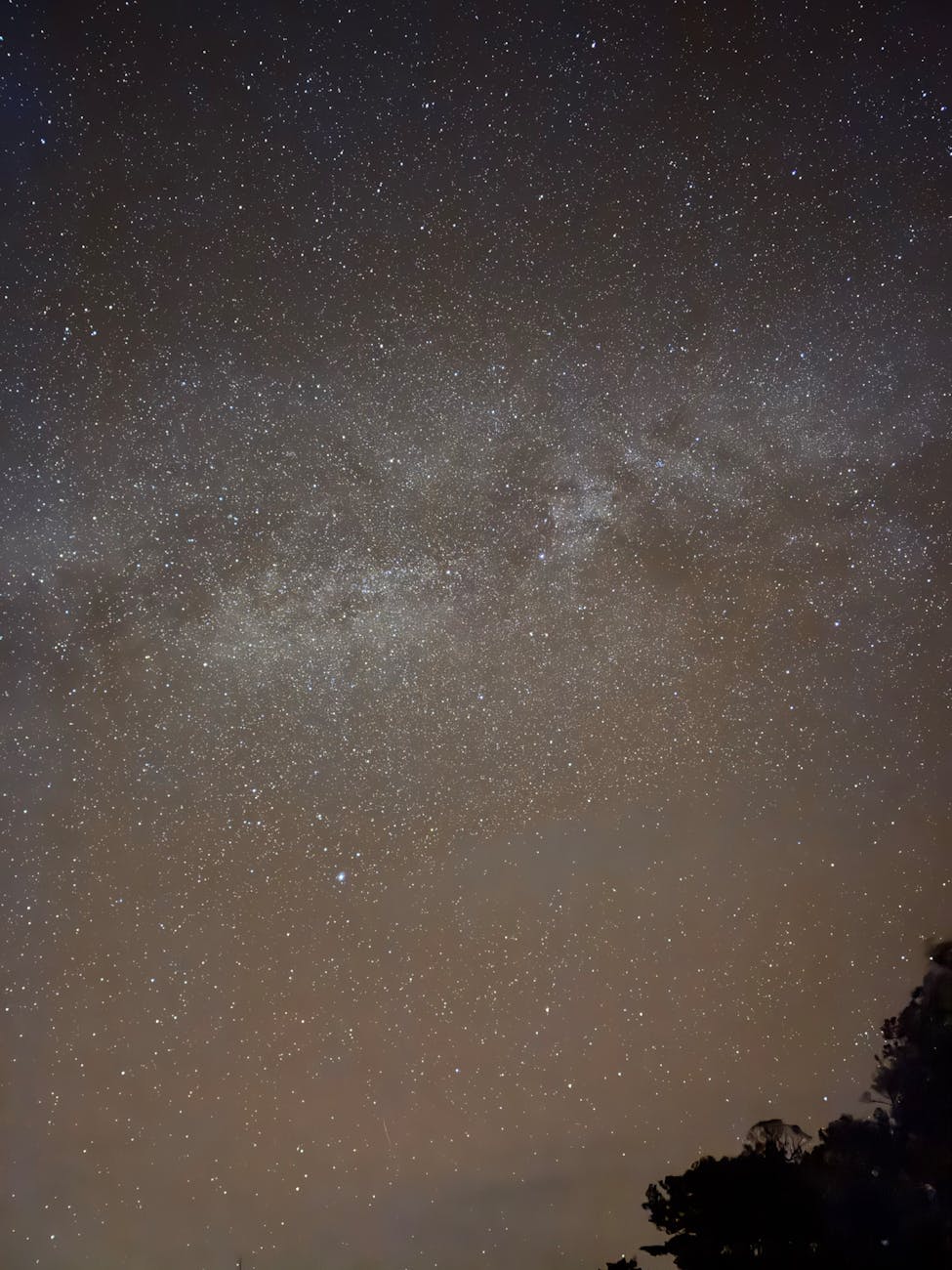
If you love a good night-sky moment, Gran Canaria is about to spoil you. The Geminids are coming, and according to the Instituto de Astrofísica de Canarias (IAC), this year’s show might even outshine the famous Perseids. Think up to 150 meteors per hour, slow-moving bright streaks, and colours ranging from yellowish to green. A little early Christmas gift from the universe.
Below you’ll find the when, where, and how, plus a few of our community’s favourite stargazing spots on the island, since Gran Canaria really knows how to put on a celestial show.
✨ What Makes the Geminids So Special?
The Geminids are the overachievers of the meteor world. While the Perseids get all the hype, the Geminids can actually be more spectacular because:
- They’re brighter
- They’re slower, so easier to spot
- They appear in greater numbers
And unlike most meteor showers that come from comets, these originate from an asteroid called (3200) Phaethon. Every 523 days, Phaethon swings close to the sun, heats up dramatically, and releases dust and rocky fragments. In December, Earth drifts right through that trail, and boom… a meteor shower.
🕑 When to Watch Them
This year, the best moment to look up is early Sunday morning, 14 December, between 01:00 and 03:00.
Why this window? Because the moon will be in its waning quarter and won’t rise to interfere until around 03:00, giving us a few perfect hours of darkness.
You can start watching from 20:00 on Saturday, 13 December, as the constellation Gemini pops into view, but the real show happens after midnight when the radiant climbs higher.
If conditions play nice, we could be looking at about 150 meteors per hour, roughly 50 percent more than the average Perseids.
🌍 Where to Watch in Gran Canaria
Below are the stargazing spots most frequently recommended by community members, based on their own past experiences. These locations are known for being dark, scenic, and generally reliable for night-sky observations, including meteor showers.
🌄 Pico de las Nieves
A classic recommendation due to its high altitude and open horizon. Community members often report clear skies here, though temperatures can drop sharply at night.
🌌 Tasartico
Praised for its darkness and isolation. The lack of light pollution makes it a favourite for lying back and watching the sky in peace.
🌲 Campamento El Garañón
Known among locals for being very dark after midnight, when the lights switch off. Cloud cover can occur in cooler months, but on clear nights the sky is excellent.
🌙 Llanos de La Pez
Often mentioned by members who joined stargazing tours or camping nights in the area. The altitude and distance from city lights usually create good viewing conditions.
🏝️ Playa de Guigüí
A remote, secluded option for those seeking true darkness. With no artificial lighting nearby, this beach offers exceptional night skies.
🗿 Roque Nublo
Recommended for its elevation and dramatic scenery. When wind conditions are mild, it provides a wide, open view of the sky.
🌬️ North, South, or Mountains?
Gran Canaria’s weather can be a little moody. The north (including Las Palmas de Gran Canaria) is more prone to low clouds because of the trade winds, while the south tends to be clearer and drier. Up in the mountains, conditions are usually ideal… unless the clouds decide to visit.
Always check weather and cloud coverage on the day, and if the north looks iffy, head south or higher inland.
🔭 How to Prepare (And What Not to Bring)
Good news: you don’t need a telescope. For meteor showers, your eyes are the best equipment you’ve got.
Here’s what actually helps:
- Warm clothes, especially in the cumbre
- A blanket or camping mat for lying back comfortably
- Snacks and water (always)
- 10–15 minutes for your eyes to adjust to darkness
- A thermos if you want bonus points
And here’s what not to bring: binoculars or telescopes. They narrow your view; meteors need wide-open sky.
🌠 A Little Science (But Make It Friendly)
The Geminids come from asteroid Phaethon, which behaves like a hybrid between an asteroid and a comet. Though classified as a potentially hazardous object because of its orbit, the IAC stresses there’s no risk of collision for centuries. All we get from Phaethon is stardust… which feels like a pretty fair deal.
😊 Final Starry Thoughts
The Geminids are one of the most reliable meteor showers of the year, and Gran Canaria is one of the best places in Europe to watch them. Between the island’s dark-sky areas, high viewpoints, and relatively mild December nights, you’re in for a treat.
Pick your spot, pack your jacket, make a wish or two, and enjoy the moment.
And if you end up catching a brilliant one, tell us in Slack so everyone else can be jealous.
(If any details here change or the IAC updates the forecast, feel free to nudge me so I can update this guide!)