Reyes in Gran Canaria: Why 6 January Still Feels Like Real Christmas
If you’re in Gran Canaria in early January and wondering why Christmas decorations are still up and kids are buzzing with excitement, here’s your answer: Reyes. Also known as Día de los Reyes Magos, this is the moment that really matters. Not the warm-up. Not the leftovers. This is the main event.
In Gran Canaria, Reyes is not just a tradition. It’s a full island-wide pause for magic, sweets, and slightly chaotic joy.
👑 Who Are the Reyes Magos?
The Reyes Magos are the Three Wise Men: Melchor, Gaspar, and Baltasar. According to tradition, they followed the star to bring gifts to baby Jesus. In Spain, and especially in the Canary Islands, they’re the ones who bring presents to children, not Santa.
So yes, many kids here politely acknowledge Santa… but they wait for Reyes.
🎉 The Cabalgata: When the Island Turns Into a Parade
On the evening of 5 January, cities and towns across Gran Canaria host the Cabalgata de Reyes. This is a big parade with floats, music, dancers, and the Three Kings themselves throwing sweets into the crowd like it’s an Olympic sport.
In Las Palmas de Gran Canaria, the main Cabalgata winds through the city and draws massive crowds. Families line the streets early, kids clutch bags ready for candy, and adults suddenly become very competitive about catching wrapped caramels.
Pro tip from someone who’s been there: wear closed shoes and keep your head on a swivel. Flying sweets hurt more than you’d expect.
🧁 Roscón de Reyes: The Cake With Rules
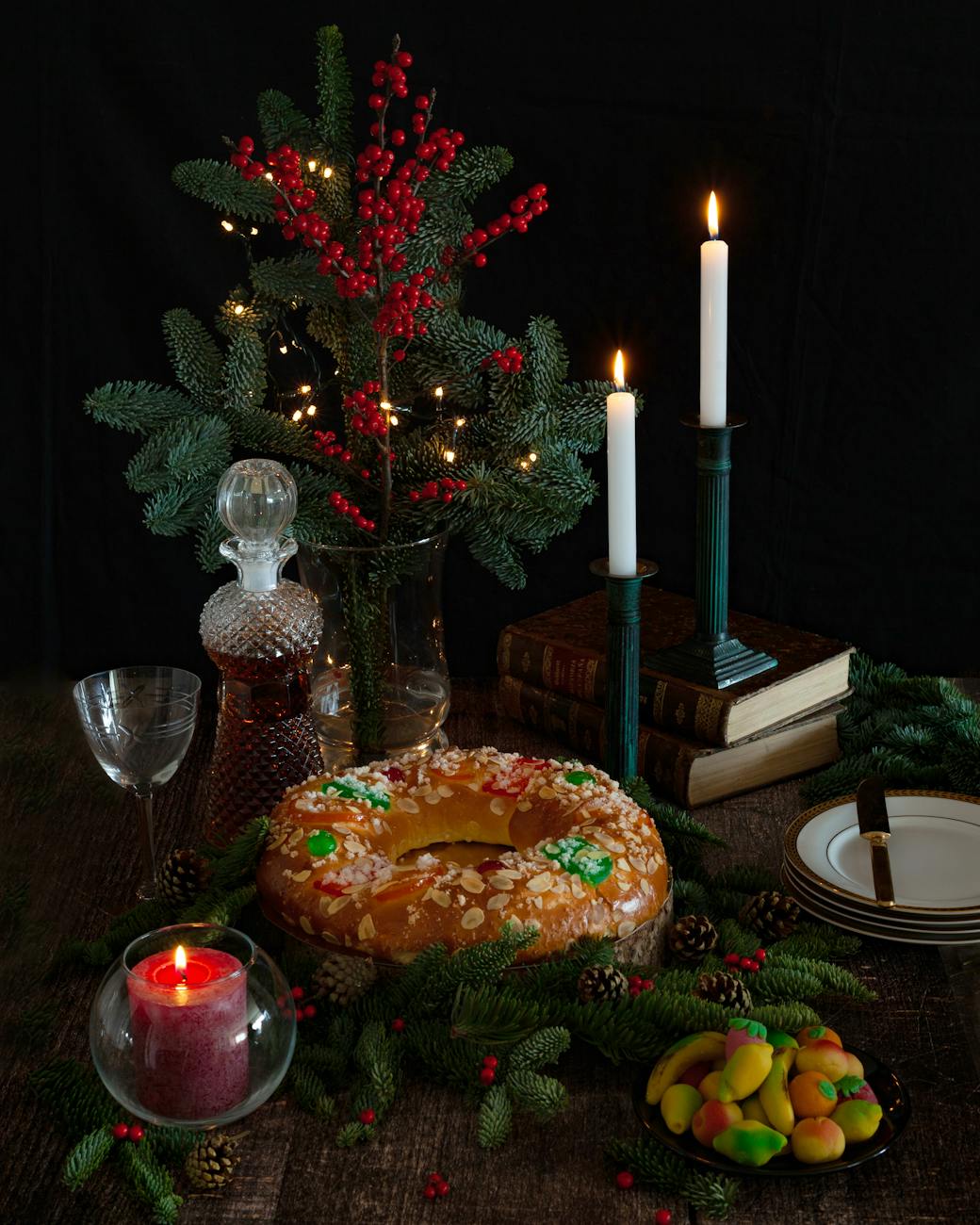
Reyes also means Roscón de Reyes. This is a ring-shaped sweet bread, decorated with candied fruit and usually filled with cream, truffle, or chocolate.
Inside the roscón, there are two surprises:
- A small figurine
- A dried bean
If you find the figurine, congratulations, you’re king or queen for the day and get to wear the cardboard crown.
If you find the bean… you pay for the roscón. Democracy at its finest.
In Gran Canaria, bakeries take this very seriously. People pre-order their roscón days or even weeks in advance. Walking in on 5 January hoping to “just grab one” is an optimistic life choice.
🎁 When Do People Open Presents?
Presents are opened on the morning of 6 January. Kids leave their shoes out the night before, often with water or snacks for the Kings and their camels. Yes, camels. This is the Canary Islands, after all.
The morning of Reyes feels slower and more family-focused than Christmas Day in many other countries. Streets are quiet, cafés open late, and everything moves at island speed.
🌴 Reyes, But Make It Canarian
What makes Reyes in Gran Canaria special is the contrast. You’ve got Christmas traditions mixed with:
- Sunshine
- Palm trees
- People eating roscón on terraces in January
It’s festive without being frantic. Emotional without being heavy. And very rooted in family time.
Even if you don’t celebrate it yourself, you’ll feel it. Shops close. Messages go unanswered. The island collectively agrees that today is for kids, sugar, and doing absolutely nothing else.
✨ Why Reyes Still Matters Here
Reyes hasn’t faded into the background in Gran Canaria. It’s still the heart of the holiday season. For locals, Christmas doesn’t end on 25 December. It ends on 6 January, usually with a slice of roscón and a slight sugar crash.
So if you’re new to the island or just visiting, don’t be surprised if someone tells you “Christmas isn’t over yet.” Here, they actually mean it.
And honestly? They might be onto something.