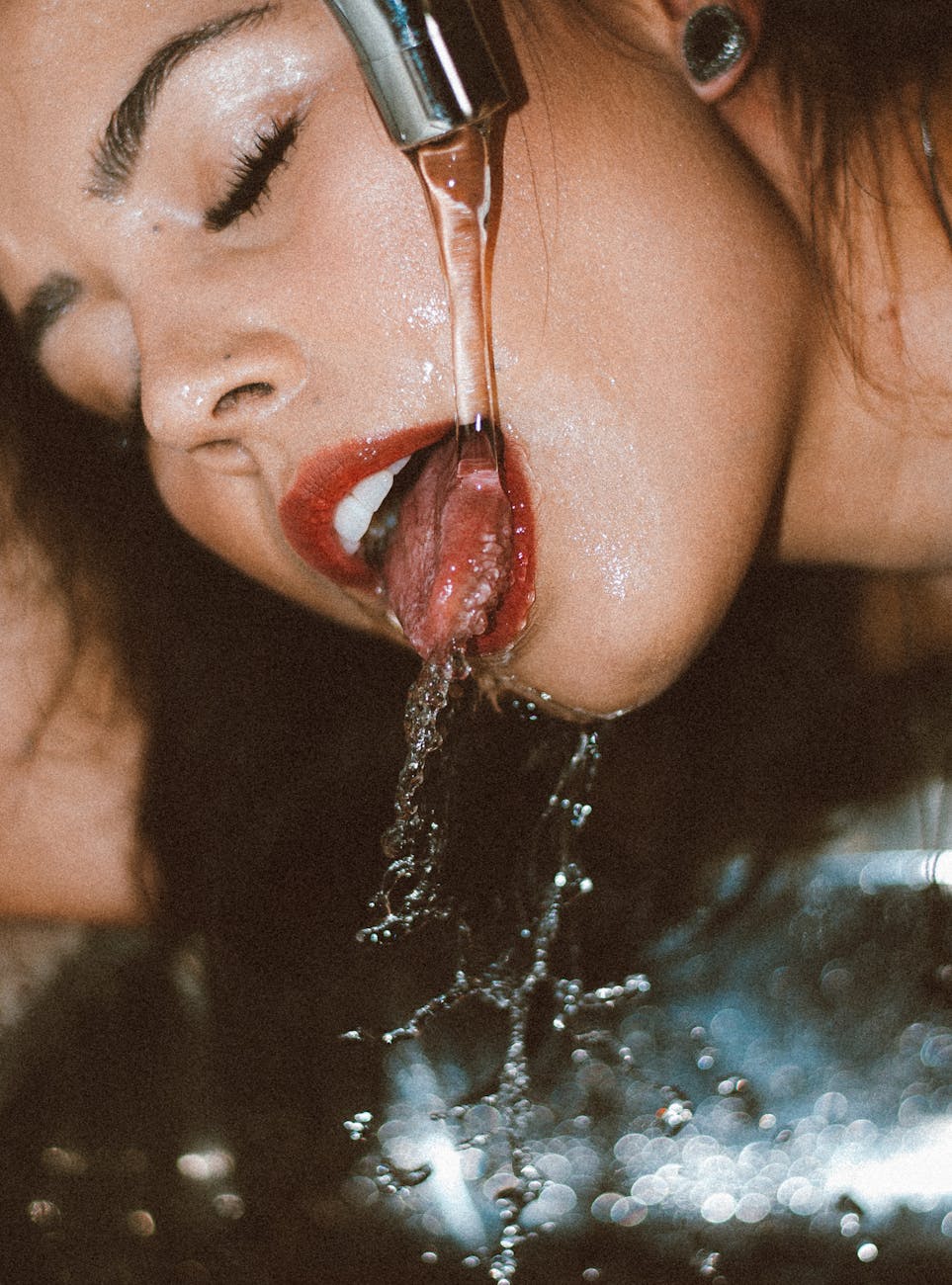
Should You Drink Tap Water in Gran Canaria? Here’s the Full Pour
If you’ve spent more than five minutes in Gran Canaria, chances are you’ve heard someone say, “Wait… can you drink the tap water here?” Cue 20 messages, several emojis, a heated debate, and someone linking to a reverse osmosis system on Amazon.
So let’s break it all down — facts, filters, delivery hacks, horror stories, and everything in between — straight from the people who’ve actually lived (and drunk) through it.
🚱 Is It Technically Safe?
Yes. Tap water in Gran Canaria is officially safe to drink. It’s treated, tested, and meets EU standards. No need to boil it. No need to cross your fingers.
But here’s the thing: “safe” doesn’t always mean “pleasant.” Because most of the island’s water is desalinated seawater, it’s often high in chlorine and minerals like lime and magnesium. Add to that the occasional rusty pipe or rooftop storage tank and… yeah, the taste might not win any awards.
💬 “It’s perfectly legal to drink. But also, ew.”
😬 The Taste Issue
This is where the real divide begins. For some people, the tap water tastes slightly salty or metallic. For others, it tastes like someone dropped a pool chlorine tablet into their glass.
Still, many locals and long-term residents drink it daily, often with a few tricks:
- Chill it in the fridge – cold water dulls the taste.
- Use a filter – more on that below.
- Mask it – coffee, tea, lemonade, whatever works.
💬 “I’ve been drinking it for years. Cold from the fridge and it’s totally fine.”
💬 “Tried it once, felt like I licked a swimming pool. Never again.”
🧠 But Is It Clean in Your Building?
This is where things get more complicated. Even if the city water is safe, what happens between the street and your glass depends on your building. Old pipes, rooftop water tanks, or neglected water heaters can all affect quality.
One community member drained their heater after 1.5 years and found what looked like brown soup with oil on top. Another noted their building’s tanks were made of asbestos. So yeah… definitely worth knowing what’s going on behind your tap.
💬 “If your building has rooftop water storage, you’re drinking whatever’s been sitting in there — not just the ‘fresh’ supply.”
💧 Water Solutions That Aren’t Plastic Bottles
Let’s be real: buying single-use plastic bottles is the easiest but worst solution. It’s bad for the island, bad for your wallet, and frankly, kind of lazy when there are better alternatives. Here’s what the community actually recommends:
🥇 1. Water Filters (BRITA, Tap-Mounted, Reverse Osmosis)
If your tap water tastes funky but you want to avoid plastic, get a filter. There are a few types:
- Pitcher filters (like BRITA) – Widely available, cheap, and easy to use.
- Tap-mounted filters (e.g., Philips) – Slightly more expensive, but super convenient.
- Reverse osmosis systems – Best taste and safety combo, but cost more and need maintenance.
💬 “My €70 tap filter from Leroy Merlin was the best investment ever.”
💬 “Osmosis tastes amazing but only if you maintain it perfectly. Otherwise, basic tap water is probably safer.”
💬 “Brita filters are great, just don’t forget to clean them. Warm island kitchens are bacteria playgrounds.”
🥈 2. Glass Bottle Delivery (Local, Low-Waste, Legit)
For those who want premium water without any plastic guilt, you can get reusable glass bottles delivered straight to your home. Yes, even via WhatsApp.
Top picks from the community:
- Aguas de Teror – Classic, reliable, and super affordable (€5–6 for 12L in glass).
- Aguas de Firgas – Known for great taste. They also do sparkling water.
- Aguas de Guayadeque – A local favourite with good service and local sourcing.
💬 “I waved down a delivery truck, got their number, and now they deliver to my door. Easy and zero waste.”
💬 “Glass bottles get reused and refilled. Less mess, better taste, and no dragging 8L containers from Mercadona.”
💬 “A bit more expensive, but honestly worth it.”
🥉 3. On-the-Go Tips for Short Stays
If you’re just here for a few weeks and want to keep things low-waste:
- Buy a filter jug (many cost under €15)
- Stick with filtered tap water for cooking, coffee, and brushing teeth
- If you must buy bottled, go for large, reusable formats and refill them — some brands offer swap-in services with deposit bottles
💬 “We bought a €13 filter from Carrefour for our Airbnb. Works great for short-term use.”
😐 Why Do Locals Avoid Tap Water, Then?
This is the million-euro question. The answer? Mostly habit, taste, and a legacy of poor infrastructure.
💬 “I was born here and I don’t know a single Canario who drinks tap water.”
💬 “We used to have tanks made of asbestos and pipes that rusted. That reputation sticks, even if things have improved.”
In other words: the stigma around tap water lingers, even though the actual health risk is low (especially with a filter).
💭 Final Thoughts: What Should You Do?
Here’s the consensus:
- Don’t drink straight tap water if you hate the taste or don’t trust the pipes.
- Don’t buy plastic bottles every week.
- Do invest in a filter or glass bottle delivery.
Your best option depends on how long you’re here, your eco priorities, and your tolerance for pool-flavoured hydration. But whatever you choose, there’s no reason to keep piling up plastic in paradise.
💬 “Try a glass bottle delivery once. You won’t go back.”
💬 “Filtering is cheap, easy, and better for the planet. No excuses.”
🌊 In Summary
✅ Tap water = safe but often unpleasant
🚫 Plastic bottles = please don’t
✅ Filters = a great middle ground
✅ Glass bottle delivery = gold standard for taste + sustainability
Drink smart, stay hydrated, and maybe… check your water heater before committing to Team Tap.
Got a filter you swear by or a delivery number you love? Drop it in Slack — because the water debate isn’t going away anytime soon.