Maspalomas Gets Smarter: New Tech Measures to Protect the Dunes
Gran Canaria’s Most Famous Sandscape Gets a Digital Upgrade
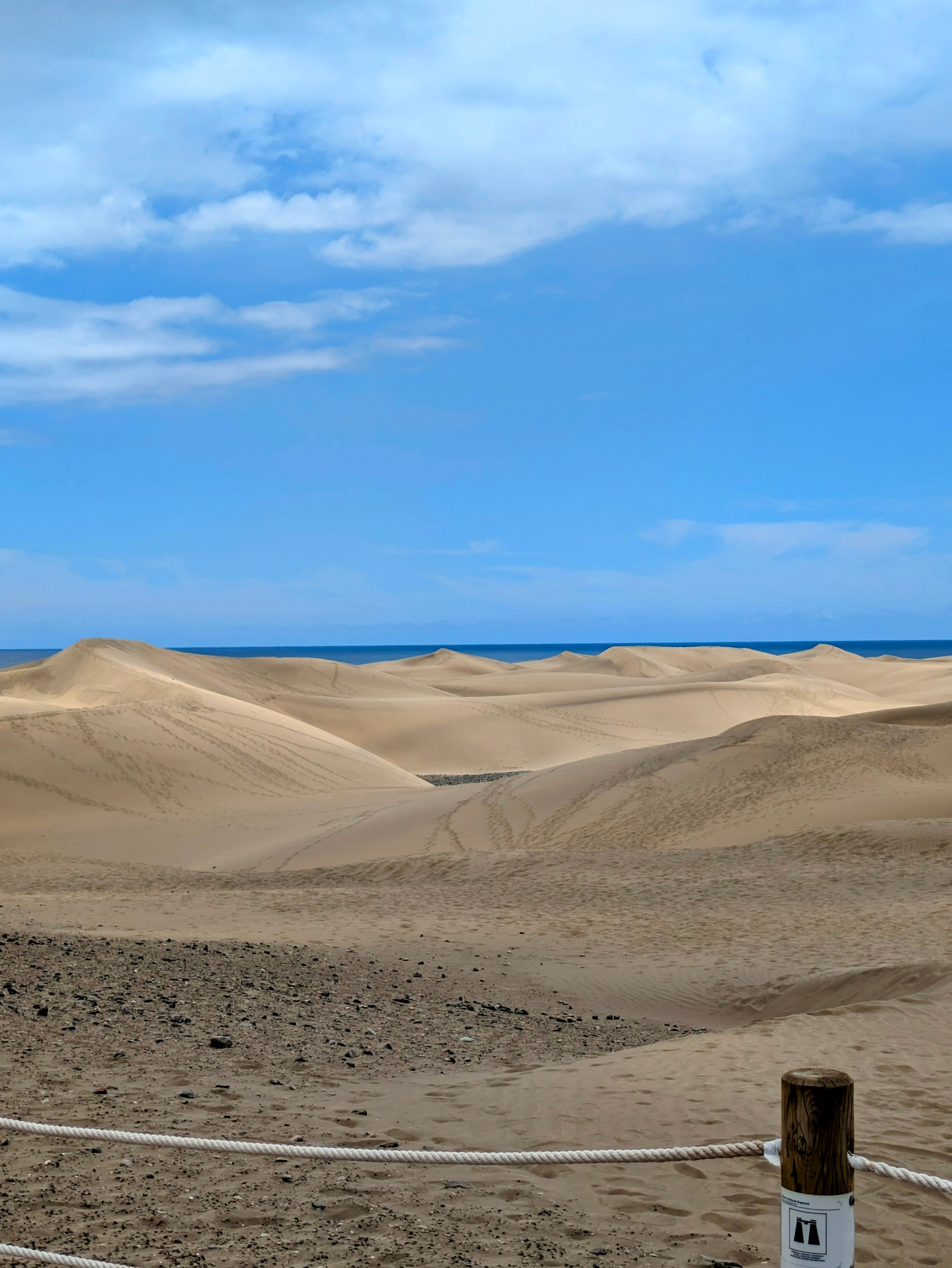
If you’re heading to the Maspalomas dunes hoping for a spontaneous wander across the sand, here’s a heads-up: new tech is coming, and it’s designed to protect this fragile reserve. The Cabildo de Gran Canaria has announced a digital transformation for the dunes and nearby lagoon, aiming to guide visitors more responsibly and prevent further environmental damage.
The full details were published in Canarias7 on June 9, 2025.
🎥 Sensors Will Detect People in Restricted Zones
The big headline? Smart sensors and cameras will now monitor parts of the dunes where entry is not allowed. These solar-powered systems will track how many people enter these areas, where and when it happens, and send instant alerts to local authorities.
It’s a way to prevent casual rule-breaking from turning into long-term damage. Gran Canaria’s dunes are already under pressure from tourism, so this new system helps keep an eye on the most sensitive spots without needing someone there 24/7.


🪧 Digital Signs and QR Codes Are Coming
You won’t be walking blind. The project includes the installation of 171 digital signs. These will appear along trails, roads, and visitor areas, with QR codes linking to real-time info about the landscape, conservation efforts, permitted activities, and even nearby EV charging points.
Expect signage on:
- Trail maps and safe walking paths
- The MasDunas restoration project
- Rules for responsible visiting
- Why feeding wildlife is a no-go
This is about more than just warnings. It’s about education, accessibility, and making it easy to do the right thing.
👣 Walking Through the Dunes? Stick to the Paths
Yes, you can still walk through the dunes. But only on the designated trails.
These paths are carefully mapped to let visitors enjoy the stunning landscape without damaging it. Straying from them contributes to erosion, disturbs plant life, and makes it harder for conservation work to stick. Following the signs means you still get the full Maspalomas experience—just with a little more care.


🖥️ New Info Screens and Visitor-Friendly Websites
Five large information screens will be installed in high-traffic areas like Avenida de Gran Canaria, Calle Ángel Luis Tadeo, and Plaza de Miramar. These displays will offer tourist guidance, conservation messages, and timely updates in Spanish, English, and German.
Two new multilingual websites are also in the works:
- A hub for the Impulsa Maspalomas project, including videos, photos, and conservation progress
- A portal linked to QR signs for visitor guidance and digital resources
Everything is designed to make responsible tourism easier and more engaging.
🌊 What About the Lagoon?
The Charca de Maspalomas, a protected lagoon beside the dunes, will also be monitored. Sensors will track water quality and environmental health, measuring things like turbidity, pH, sodium, calcium, and temperature. All data will be fed into the Cabildo’s Datagran platform for live analysis.
This means faster responses to pollution or climate-related stress—and better long-term protection for this vital wetland.
💡 Why This Matters
The Dunes of Maspalomas are not just a pretty place to take a sunset photo. It’s a delicate ecosystem with shifting sands, nesting birds, and rare plants. Tourism is part of its future, but only if managed carefully.
These new tools aim to reduce human impact without reducing the joy of visiting. Stick to the marked paths, learn from the signs, and help make sure the dunes stay wild and wonderful for years to come.

📷 Final Tip: Walk Smart, Not Wild
Take the photo, enjoy the view, soak up the silence—but do it from the trails. The Dunes of Maspalomas aren’t just another beach backdrop. It’s a living landscape that needs a little help from all of us to survive.
For full details on the project, check out the original article from Canarias7.