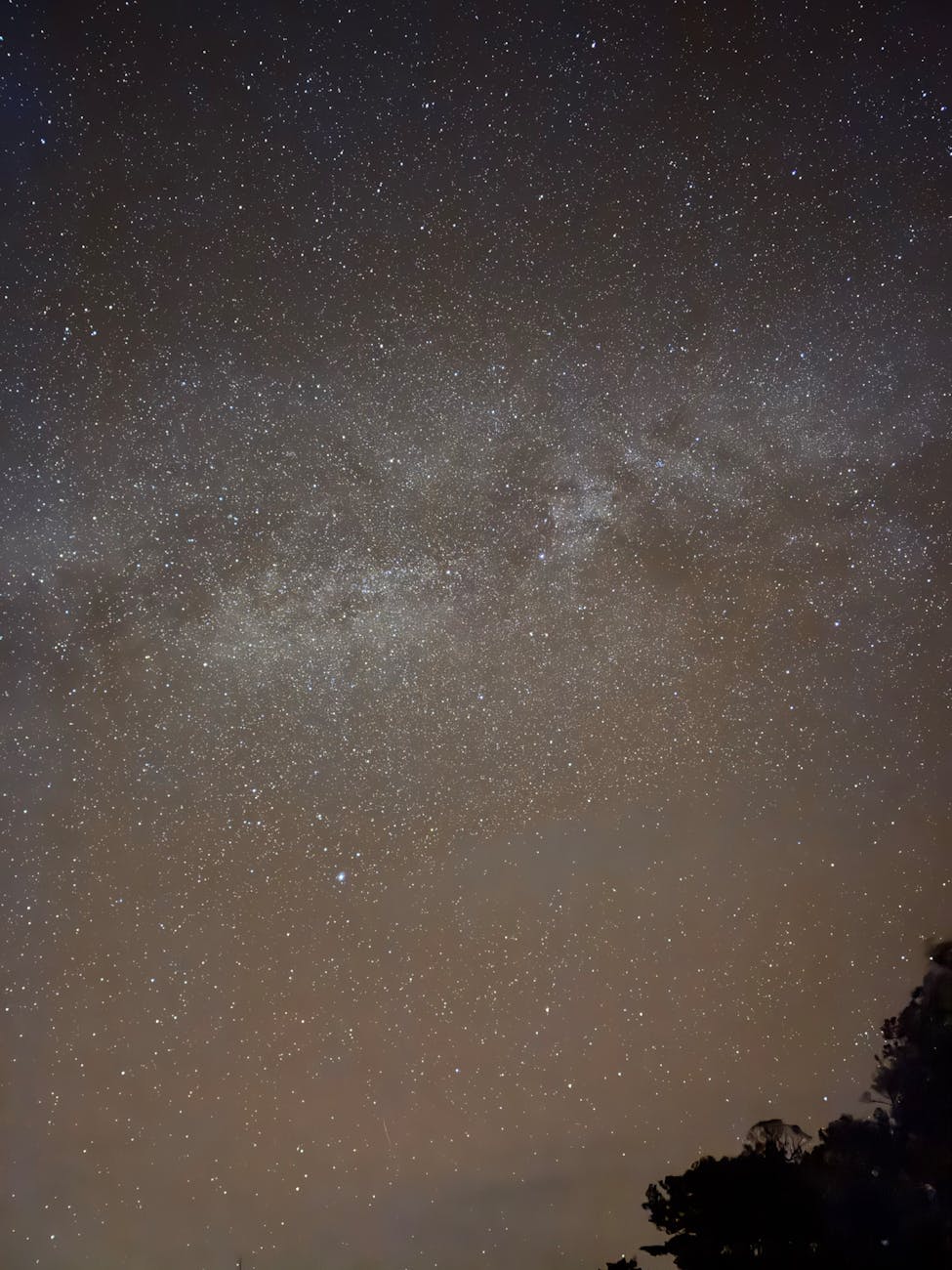
Tag: stargazing
Stargazing in Gran Canaria: Where to Watch the Night Sky and Why the Island Is So Special
If you enjoy a good night-sky moment, Gran Canaria really delivers. You do not need a specific meteor shower, a telescope, or expert knowledge to enjoy stargazing here. On a clear night, the island offers dark skies, open horizons, and far more stars than most people are used to seeing.
Below you will find the why, when, where, and how of stargazing in Gran Canaria, plus a list of tried-and-tested spots that community members regularly recommend. Whether you are hoping to spot shooting stars, planets, or the Milky Way, this guide has you covered.
โจ Why Gran Canaria Is So Good for Stargazing
Gran Canaria has a few natural advantages that make it an excellent place to look up at night.
The island has altitude. You can drive from sea level to over 1,900 metres in under an hour, which helps you rise above haze and light pollution.
It has relatively stable weather. Clear nights are common, especially outside the north of the island.
And once you leave the cities, it gets dark fast. Properly dark. The kind of darkness where the stars do most of the talking.
All of this makes Gran Canaria a great spot for casual stargazing, meteor showers, and late-night sky watching without any complicated setup.
๐ When to Go Stargazing
You do not need a special date, but timing helps.
The best nights are when the moon is new or sets early, leaving the sky darker for longer. Late evening is good, but after midnight is often even better, as skies tend to be clearer and human activity drops off.
Always give your eyes 10 to 15 minutes to adjust to the darkness. Avoid looking at your phone if you can. Yes, it is painful, but it works.
๐ Where to Go Stargazing in Gran Canaria
These are the spots most often recommended by community members based on real experiences. They are dark, scenic, and generally reliable for night-sky viewing.
๐ Pico de las Nieves
A classic choice thanks to its altitude and wide, open horizons. On clear nights, the sky here can be spectacular. Just be prepared for cold temperatures and strong winds, even in summer.
๐ Tasartico
Frequently praised for its isolation and lack of light pollution. This is a favourite for those who want peace, quiet, and a truly dark sky without distractions.
๐ฒ Campamento El Garaรฑรณn
Well known among locals for being very dark after midnight, when the lights are switched off. Cloud cover can happen in cooler months, but clear nights here are excellent for stargazing.
๐ Llanos de La Pez
Often mentioned by people who have joined stargazing tours or camping nights. The altitude and distance from city lights usually create good viewing conditions.
๐๏ธ Playa de Guigรผรญ
A remote and secluded option for those willing to make the effort. With no artificial lighting nearby, this beach offers exceptional night skies and a very special atmosphere.
๐ฟ Roque Nublo
Known for its elevation and dramatic scenery. When wind conditions are calm, it offers wide views of the sky and a memorable setting for night photography and stargazing.
๐ฌ๏ธ North, South, or Mountains?
Gran Canariaโs microclimates matter at night.
The north, including Las Palmas de Gran Canaria, is more likely to have low clouds due to the trade winds.
The south tends to be clearer and drier, especially in winter.
The mountains are often ideal, unless the clouds decide to settle at altitude.
Always check cloud cover before heading out. If the north looks cloudy, go south or higher inland.
๐ญ How to Prepare (And What Not to Bring)
You do not need fancy equipment to enjoy the night sky.
What helps:
- Warm clothes, especially in the mountains
- A blanket or camping mat so you can lie back comfortably
- Snacks and water
- A thermos if you like staying cosy
- Time. Do not rush it
What you do not need:
- Telescopes
- Binoculars for general stargazing
For meteor showers and casual sky watching, your eyes and a wide view are all you need.
๐ What You Can Expect to See
On a clear, dark night in Gran Canaria, you can often spot:
- The Milky Way stretching across the sky
- Bright planets depending on the season
- Shooting stars, even outside major meteor showers
- Constellations that are invisible from urban areas
It is not about spotting everything. It is about slowing down and enjoying what appears.
๐ Final Starry Thoughts
Gran Canaria is not just a daytime island. Once the sun goes down, it quietly becomes one of the nicest places in Europe for relaxed, no-pressure stargazing.
Pick a dark spot, bring a jacket, lie back, and look up. Chances are you will see more than you expected.
And once you realise how good the night sky can be here, you might suddenly find yourself very interested in better blankets, warmer layers, and a few handy stargazing tools. Clear skies, and enjoy the view.
How to Watch the Geminids in Gran Canaria: The Islandโs Most Spectacular Meteor Shower
If you love a good night-sky moment, Gran Canaria is about to spoil you. The Geminids are coming, and according to the Instituto de Astrofรญsica de Canarias (IAC), this yearโs show might even outshine the famous Perseids. Think up to 150 meteors per hour, slow-moving bright streaks, and colours ranging from yellowish to green. A little early Christmas gift from the universe.
Below you’ll find the when, where, and how, plus a few of our community’s favourite stargazing spots on the island, since Gran Canaria really knows how to put on a celestial show.
โจ What Makes the Geminids So Special?
The Geminids are the overachievers of the meteor world. While the Perseids get all the hype, the Geminids can actually be more spectacular because:
- Theyโre brighter
- Theyโre slower, so easier to spot
- They appear in greater numbers
And unlike most meteor showers that come from comets, these originate from an asteroid called (3200) Phaethon. Every 523 days, Phaethon swings close to the sun, heats up dramatically, and releases dust and rocky fragments. In December, Earth drifts right through that trail, and boom… a meteor shower.
๐ When to Watch Them
This year, the best moment to look up is early Sunday morning, 14 December, between 01:00 and 03:00.
Why this window? Because the moon will be in its waning quarter and wonโt rise to interfere until around 03:00, giving us a few perfect hours of darkness.
You can start watching from 20:00 on Saturday, 13 December, as the constellation Gemini pops into view, but the real show happens after midnight when the radiant climbs higher.
If conditions play nice, we could be looking at about 150 meteors per hour, roughly 50 percent more than the average Perseids.
๐ Where to Watch in Gran Canaria
Below are the stargazing spots most frequently recommended by community members, based on their own past experiences. These locations are known for being dark, scenic, and generally reliable for night-sky observations, including meteor showers.
๐ Pico de las Nieves
A classic recommendation due to its high altitude and open horizon. Community members often report clear skies here, though temperatures can drop sharply at night.
๐ Tasartico
Praised for its darkness and isolation. The lack of light pollution makes it a favourite for lying back and watching the sky in peace.
๐ฒ Campamento El Garaรฑรณn
Known among locals for being very dark after midnight, when the lights switch off. Cloud cover can occur in cooler months, but on clear nights the sky is excellent.
๐ Llanos de La Pez
Often mentioned by members who joined stargazing tours or camping nights in the area. The altitude and distance from city lights usually create good viewing conditions.
๐๏ธ Playa de Guigรผรญ
A remote, secluded option for those seeking true darkness. With no artificial lighting nearby, this beach offers exceptional night skies.
๐ฟ Roque Nublo
Recommended for its elevation and dramatic scenery. When wind conditions are mild, it provides a wide, open view of the sky.
๐ฌ๏ธ North, South, or Mountains?
Gran Canaria’s weather can be a little moody. The north (including Las Palmas de Gran Canaria) is more prone to low clouds because of the trade winds, while the south tends to be clearer and drier. Up in the mountains, conditions are usually ideal… unless the clouds decide to visit.
Always check weather and cloud coverage on the day, and if the north looks iffy, head south or higher inland.
๐ญ How to Prepare (And What Not to Bring)
Good news: you donโt need a telescope. For meteor showers, your eyes are the best equipment youโve got.
Hereโs what actually helps:
- Warm clothes, especially in the cumbre
- A blanket or camping mat for lying back comfortably
- Snacks and water (always)
- 10โ15 minutes for your eyes to adjust to darkness
- A thermos if you want bonus points
And hereโs what not to bring: binoculars or telescopes. They narrow your view; meteors need wide-open sky.
๐ A Little Science (But Make It Friendly)
The Geminids come from asteroid Phaethon, which behaves like a hybrid between an asteroid and a comet. Though classified as a potentially hazardous object because of its orbit, the IAC stresses there’s no risk of collision for centuries. All we get from Phaethon is stardust… which feels like a pretty fair deal.
๐ Final Starry Thoughts
The Geminids are one of the most reliable meteor showers of the year, and Gran Canaria is one of the best places in Europe to watch them. Between the islandโs dark-sky areas, high viewpoints, and relatively mild December nights, youโre in for a treat.
Pick your spot, pack your jacket, make a wish or two, and enjoy the moment.
And if you end up catching a brilliant one, tell us in Slack so everyone else can be jealous.
(If any details here change or the IAC updates the forecast, feel free to nudge me so I can update this guide!)
Stargazing in Gran Canaria: The Best Spots to Witness the Night Sky
One of the most captivating ways to enjoy Gran Canaria is to gaze at the stars that fill the night sky with their brilliance. The island offers ideal conditions for stargazing, with clear skies, low light pollution, and high altitudes. You will feel like you are in a planetarium as you observe the constellations, planets, and even the Milky Way!
Pico de las Nieves
A popular stargazing spot on Gran Canaria is Pico de Las Nieves. Despite the presence of a military base with some light pollution, it remains a favored location due to its high altitude and panoramic views. However, be prepared for cold weather, as higher altitudes often bring chillier temperatures, but this can also mean clearer skies for stargazing.
Tasartico
Last year I went to Tasartico for stargazing, and it was very nice.
Another excellent location is Tasartico, which offers a serene environment perfect for observing the night sky. Its remote location ensures minimal light pollution, allowing for a clear view of the stars. Visitors have praised this spot for its beauty and tranquility, making it an ideal choice for stargazing enthusiasts.
Campamento el Garaรฑรณn
For those seeking a darker sky, Campamento el Garaรฑรณn is a recommended spot. The lights are shut off at midnight, providing a perfect opportunity to enjoy the stars without any interference. However, itโs worth noting that from September to May, this area might be prone to cloudy skies, so plan your visit accordingly.
Llanos de La Pez
I once did a stargazing tour near the Llanos de La Pez campsite, and Iโve also camped there, which was a great experience. Itโs a good spot, often above the clouds, providing clear views of the night sky. However, it can get quite cold at night, but this usually means clearer skies. Even if there are no clouds, the presence of calima (dust in the air) can make stargazing tricky. In August, the cold shouldn’t be too bad. Any spot in the area away from the trees should work well for observing the stars.
Llanos de La Pez is another notable spot for stargazing. Located above the clouds, this area offers clear skies and excellent visibility of celestial objects. It can get quite cold at night (depending on the season), but the crisp air and lack of clouds often result in a breathtaking stargazing experience.
Playa de Guigรผรญ
Guigรผรญ, located close to Tasartico, is also a fantastic place for stargazing. Its remote and isolated nature ensures minimal light pollution, providing a perfect environment for observing the night sky. The combination of stunning natural scenery and clear skies makes Playa de Guigรผรญ a must-visit spot for astronomy lovers.
Roque Nublo
Roque Nublo is another highly recommended location. Its high altitude and remote setting offer an excellent vantage point for stargazing. The peak provides a spectacular view of the night sky, making it a favorite among both locals and visitors.
Conclusion
If you ever find yourself in the Canary Islands, make sure to take a moment to look up at the night sky. You’ll be in for a treat as you witness the universe’s amazing light show right above you. It’s a bit like magic โ the kind that only happens in the Canary Islands.