Whale and Dolphin Watching Tours in Gran Canaria
Gran Canaria is one of the best places in the Canary Islands for whale and dolphin watching. Thanks to its location in the Atlantic Ocean, the island offers a unique opportunity to spot several species of whales and dolphins throughout the year. Whether you’re a nature lover, an adventure seeker, or just looking for something different to do during your visit, a whale and dolphin watching tour is a must.
When is the Best Time to Go Whale and Dolphin Watching?
Gran Canaria is lucky to have a mild climate year-round, which means you can enjoy whale and dolphin watching all year long. However, there are some differences in the types of species you’re likely to see depending on the season.

- Winter (December to February): This is one of the best times for spotting sperm whales, which are often seen migrating along the coast. It’s also possible to spot pilot whales during this time. The water conditions are usually calm, making this a great time for a peaceful tour.
- Spring (March to May): During these months, you’re likely to see bottlenose dolphins, short-finned pilot whales, and possibly even fin whales. The waters begin to warm up slightly, and the calmer weather makes for great viewing conditions.
- Summer (June to August): Summer is a peak time for dolphin watching, as you’re almost guaranteed to spot common dolphins. Some species of whales, including blue whales, pass through the waters of Gran Canaria during this time, but sightings are less frequent.
- Autumn (September to November): This is another great time for dolphin sightings, as the waters stay warm and active. Bottlenose dolphins and Atlantic spotted dolphins are common during these months. Some migratory whales also pass through on their way to other regions, so sightings of species like fin whales and sperm whales are possible.
What Species Can You Expect to See?
Gran Canaria is a hotspot for both dolphins and whales, with over 30 species recorded in the waters around the island. Some of the most commonly spotted species include:
- Pilot Whales: These are the most commonly seen whales around Gran Canaria. They are known to live in the waters here year-round, often in large groups.
- Bottlenose Dolphins: One of the most famous species, these dolphins are playful and curious, often approaching boats.
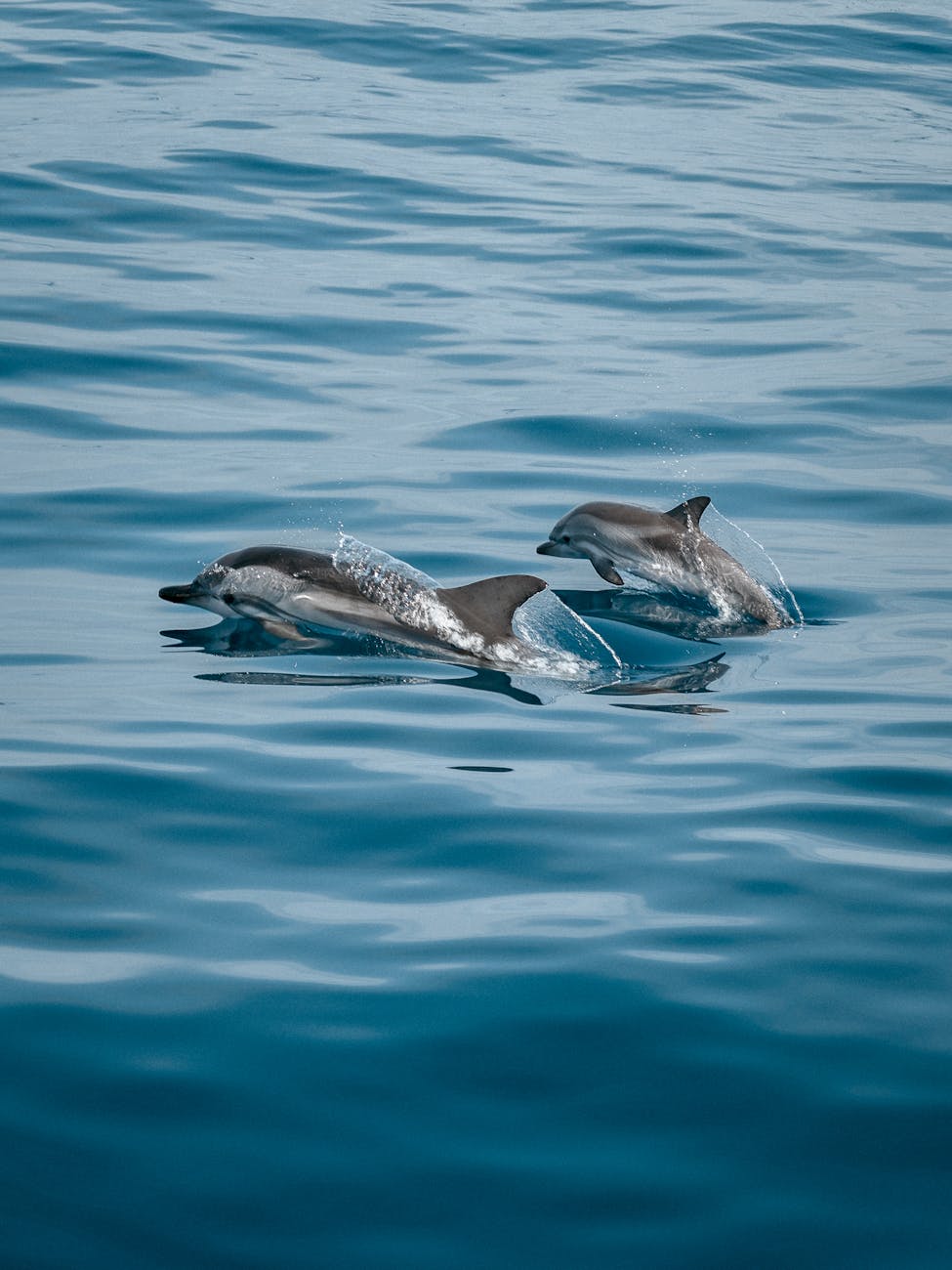
- Common Dolphins: Known for their acrobatics and social nature, common dolphins are frequently seen in pods near the island.
- Sperm Whales: Migrating sperm whales pass through the waters near Gran Canaria, especially in the winter months.
- Fin Whales: These large whales are typically seen during migration periods in the spring and autumn.
- Risso’s Dolphins: These unique dolphins are identifiable by their scarred bodies and are sometimes spotted in the waters off Gran Canaria.
- Atlantic Spotted Dolphins: As their name suggests, these dolphins have distinctive spots, and they are often seen in the waters around Gran Canaria in the autumn months.
The Tours
Several tour operators in Gran Canaria offer whale and dolphin watching experiences. Most tours depart from the southern coast of the island, including popular spots like Puerto Rico and Puerto de Mogán.
There are various types of tours available:
- Boat Tours: The most common type of tour, these range from small, intimate boat trips to larger, more comfortable cruise-style boats. Some tours are even eco-friendly, using quieter engines to avoid disturbing the animals.
- Catamaran Tours: These often provide a more stable experience and can sometimes offer more amenities, such as food and drinks on board.
- Private Tours: For a more personalised experience, private tours are available, allowing you to enjoy the wildlife with fewer people around.
Eco-Friendly Whale Watching
Gran Canaria’s tour operators are committed to responsible wildlife watching. Many companies adhere to strict guidelines set by local authorities to ensure the safety and well-being of the animals. These include staying at a safe distance from the whales and dolphins and avoiding sudden movements or loud noises that might disturb them.
It’s important to choose an operator who is committed to sustainable practices. Look for eco-friendly certifications or inquire about their approach to wildlife protection.
Things to Keep in Mind
- Bring Sun Protection: Even in cooler months, the sun can be strong, so make sure to bring sunscreen, a hat, and sunglasses.
- Dress Comfortably: The ocean breeze can make it feel cooler than on land, so it’s wise to bring a jacket or sweater, even in the summer.
- Motion Sickness: If you’re prone to seasickness, consider taking precautions, as the boat can get rocky at times, especially during windy conditions.
- Camera and Binoculars: To capture the moments and spot animals from a distance, bring a good camera and binoculars for better viewing.
Conclusion
Whale and dolphin watching in Gran Canaria is a must-do experience for nature lovers. With year-round opportunities to spot various species, stunning views of the coastline, and a chance to connect with nature, these tours offer something for everyone. Whether you’re visiting in the winter to see migrating whales or in the summer to watch dolphins play, you’ll leave with unforgettable memories.
Ready to set sail on your own adventure? Make sure to book a tour and explore the incredible marine life that Gran Canaria has to offer.